
Hispanic Heritage Month celebrates the rich histories, cultures, and contributions of Hispanic and Latino communities. Music has always been at the heart of Hispanic culture, carrying stories, identity, and pride across generations. To celebrate, SCOPE's content committee highlights a few standout artists in the industry. Join us in recognizing these talented artists and the impact their art holds.
Natalie Lafourcade
Written by Chloe Palmer
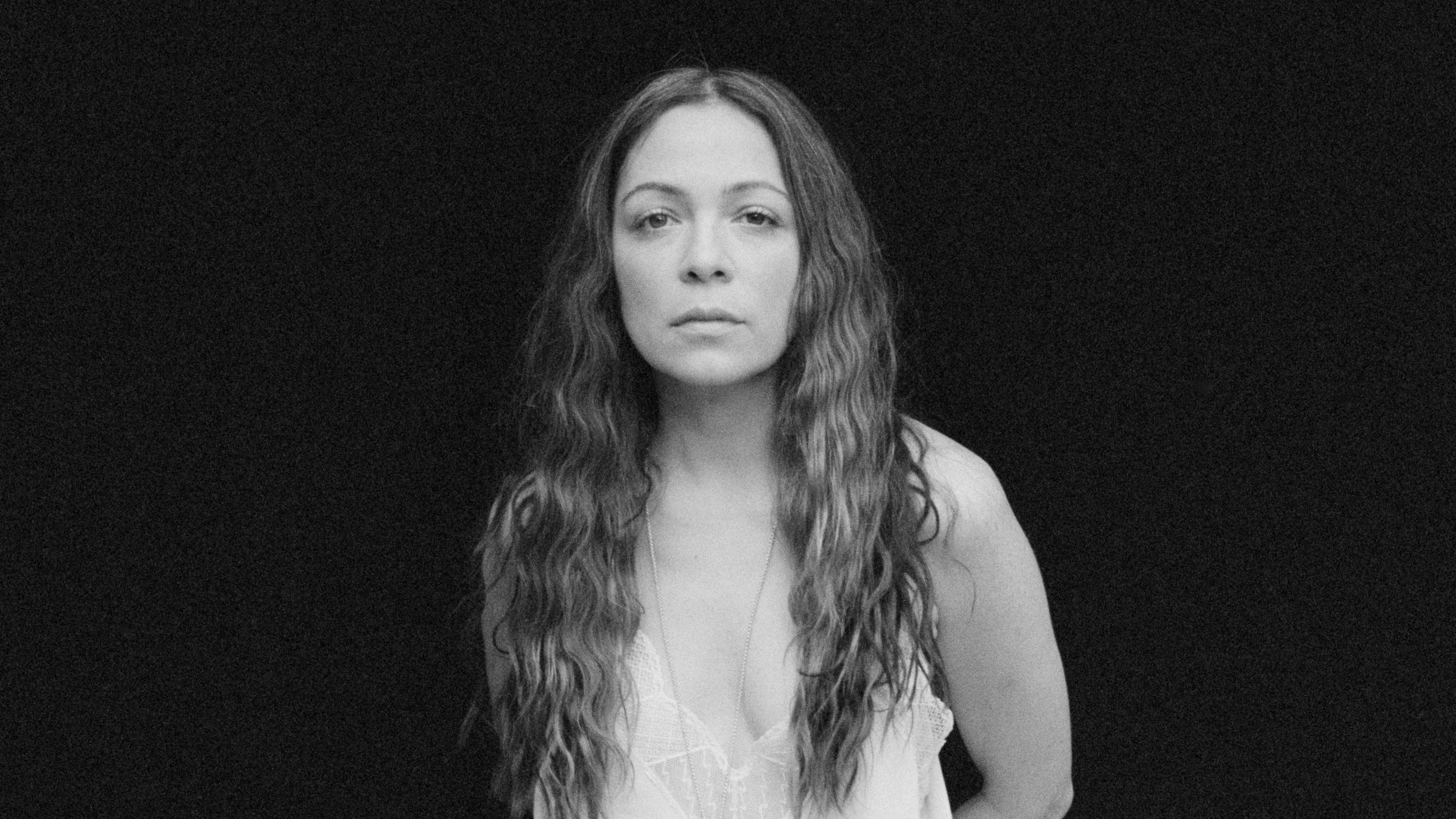
Photo Credit: Iowa Public Radio
Natalia Lafourcade is a Mexican singer-songwriter and producer who grew up in Veracruz, Mexico. Her parents, Chilean musician Gastón Lafourcade and pianist María del Carmen Silva Contreras surrounded Natalia with music at a very young age. Her mother, María, created the Mascari method for music learning and her father Gastón founded the Association of Organists Harpsichordist of Chile. Natalia attended a Catholic school, studying various arts including painting, flute, acting, piano, guitar and several other subjects. At the age of 10, Natalia was singing in a Mariachi band. By 14, she had joined a pop group “twist”. By the age of 17, Natalia signed with Sony Music. Her first self-titled release in 2002, Natalia Lafourcade gained worldwide attention and support, Natalia at the age of 18 struggled with the intensity of the music industry, feeling overwhelmed and drained of her inspiration to create. “Something in my spirit got sick, and I needed to heal it. I knew that I needed to go very far away from home.” (Lafourcade 2015)
Over the span of a 20-year career, and still ongoing, Lafourcade has released nine studio albums. Earning 17 Latin Grammys, four Grammy Awards, a Billboard Award and three MTV Awards. Blending and weaving through a plethora of sounds and fusions such as jazz, rock, folk, and bossa nova. Lafourcade’s 2015 Grammy winning song “Hasta La Raíz” explores her heritage and roots of growing up in Mexico. The song contains the lyrics “En la noche sigo encendiendo sueños para limpiar con el humo sagrado cada recuerdo--At night, I keep igniting my dreams to clean every memory with the sacred smoke referencing Mexican culture, the burning of resin copal is believed to heal and cleanse one's aura and spirit.
“Let's treasure our roots, even when we’re far away.” -Natalia Lafourcade.
Hasta La Raiz shows Lafourcades ability to weave the old and new together; she channels imagery and tenderness from prior generations. These tracks are composed of raw, simple guitar playing. Natalia has had several mentors within her life and musical career, beginning with her parents, but some that are especially important is her partnership with Miguel Peña and Juan Carlos Allende. They studied intimately, the history of Latin America’s culture. Without the intention of creating music, Natalia felt inspired to write songs for herself. This led to the group creating and recording over 30 songs that were released in a two-part compendium. Musas and Musas Vol. 2. It’s this release that is considered the folk standards across Latin America. "I learned that life is about living and enjoying and all of that made me connect to music in a whole other level.” -Natalie Lafourcade
María Zardoya
Written by Abby Rhomberg

Photo Credit: Vogue
María Zardoya is a Puerto Rican-born, Georgia-raised artist known as the frontwoman and lead vocalist of the genre-crossing band, the Marías. María grew up speaking Spanish because her father is from Spain, and was also surrounded by a household full of music. As a teenager, María listened to artists like Carla Morizzon and Julieta Venegas and told Latina Magazine that she worked a part-time job to be able to afford VIP tickets for Don Omar and Daddy Yankee concerts. Zardoya said that she often felt “too Latin to fit in” growing up in the Atlanta suburb of Snellville, and likewise, “didn’t feel Latin enough” when she would go back to visit Puerto Rico. She incorporates this experience into her own songwriting, as well as relates it to the new experience she has had of navigating the music industry.
The Marías was formed after Zardoya met Josh Conway, who happened to attend one of her shows at a small venue in Los Angeles, and they began making music together. The dreamy and tender sound of their early music stems from their own chemistry and relationship. Discussing the night the two met, María tells Metal Magazine that “Even though I definitely believe in fate, I also think that you have to be clear about what you want and go after it. The night I played Kibitz Room, I played for maybe five people. But that is the night I met Josh. I also wasn’t looking for love, but it found me.” She goes on to explain that this combination of fate and personal determination is what has gotten her to where she is today. After releasing their debut album, the Marías were asked to be a featured artist on Bad Bunny’s Un Verano Sin Ti album, which allowed them to make a quick entry into the limelight of the music industry. Following that, the band was also featured on Tainy’s album DATA, alongside another fellow up-and-coming Puerto Rican artist. Talking to Time, Zardoya says that “Anytime you can bring visibility to your homeland, you feel proud to do that.”
In May 2025, the Marías put out their second album, Submarine, where María writes lyrics in both English and Spanish, interlacing the two languages seamlessly to tell captivating stories. María explains in an interview with Metal Magazine that she shared a special moment with a fan at the band's first performance in Mexico City, which is when she realized “how a song we write in our bedroom can affect someone so deeply.” The band has been nominated for two Grammy Awards, three Video Music Awards, and one American Music Award. On Oct. 10, María stepped out with a new project, a solo album recorded in New York City, titled Melt, under the name Not For Radio. The tracks bring in elements signature to the band, while also exploring new musical elements not typically attributed to her work. This release comes during Hispanic Heritage Month, which plays into the way Zardoya is able to pay homage to her Hispanic heritage through her artistry.
Sailawway
Written by James Harris
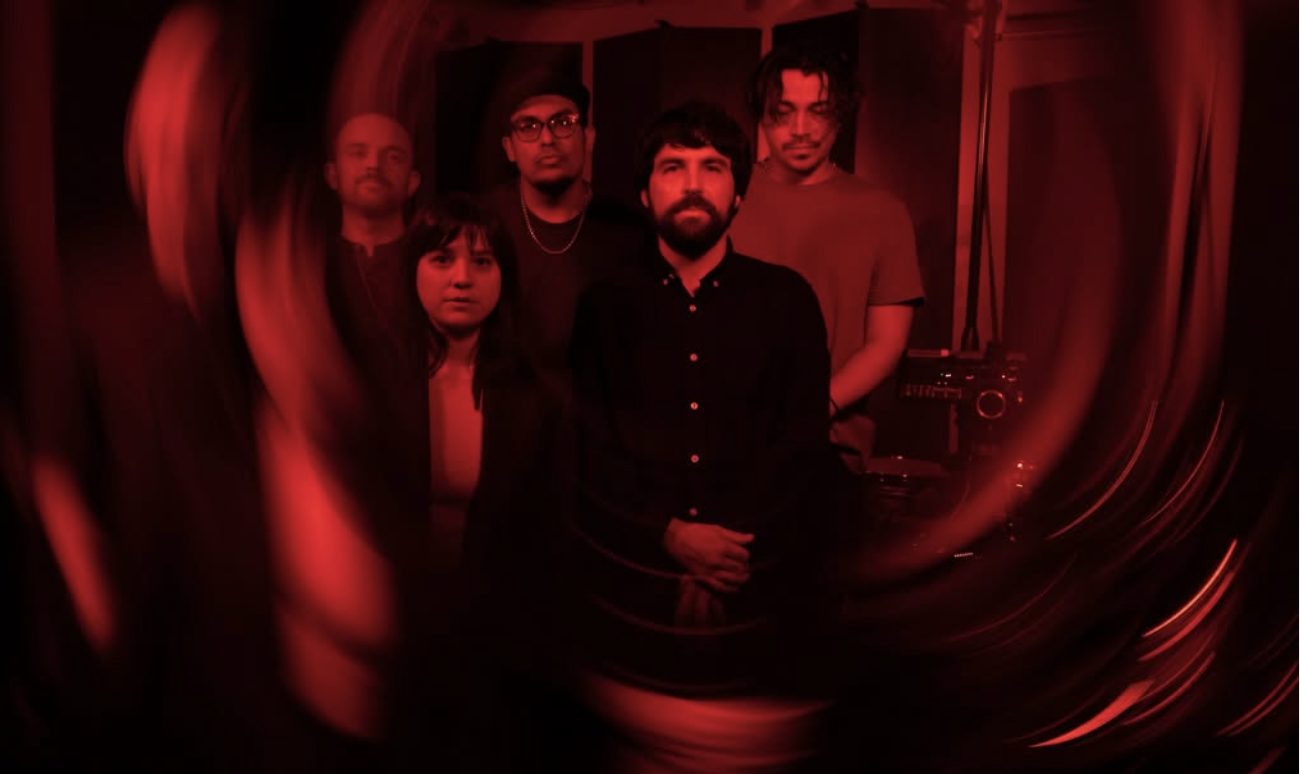
Photo Credit: Sailawway Instagram
Sailawway, a group originating from Monterrey, Nuevo León, is the dream pop project and creative vision of María Fernanda Fuentes. Combining elements of dream pop and Spanish indie, Sailawway created a distinctive sound that feels both nostalgic and modern. Now based in Mexico City and often collaborating with producer Memo Martínez, Fuentes developed a musical style that fuses electronic tones with delicate vocals, evoking both intimacy and imagination. Her work reflects not only her creative growth but also her cultural roots, making Sailawway a defining figure in Mexico’s contemporary indie scene.
Throughout their career, Sailawway has performed at major festivals such as SXSW, Festival NRMAL, and Hellow Festival, while opening for international acts including The Neighbourhood, TOPS, and Cults. Their music has also reached audiences worldwide through television features, appearing in shows like Unstoppable and Cloudy River. On Sept. 5, 2025, Sailawway released their debut album Fases, produced by Memo Martínez, which explores themes of farewell, memory, and emotional healing. The song “Alma,” written after Fuentes’ mother’s passing, captures the heart of the project, turning personal loss into art that empowers and connects. Fuentes has described the album as a journey through grief and reconstruction, showing how creation can become a form of strength.
Sailawway’s recent single “Afecto,” released through Virgin Music Mexico, continues this artistic evolution. The track’s immersive visualizer, designed using Unreal Engine and Metahuman technology, places the listener in a surreal 3D landscape, merging emotion with innovation (Benito). Sailawway’s music transcends borders and genres, weaving technology, heritage, and vulnerability into a sound that resonates deeply with listeners. Through Fuentes’ voice and vision, Sailawway not only honors her Spanish and Mexican identity but also builds a legacy of empowerment and emotional authenticity.
Bad Bunny
Written by Lucy Prescott
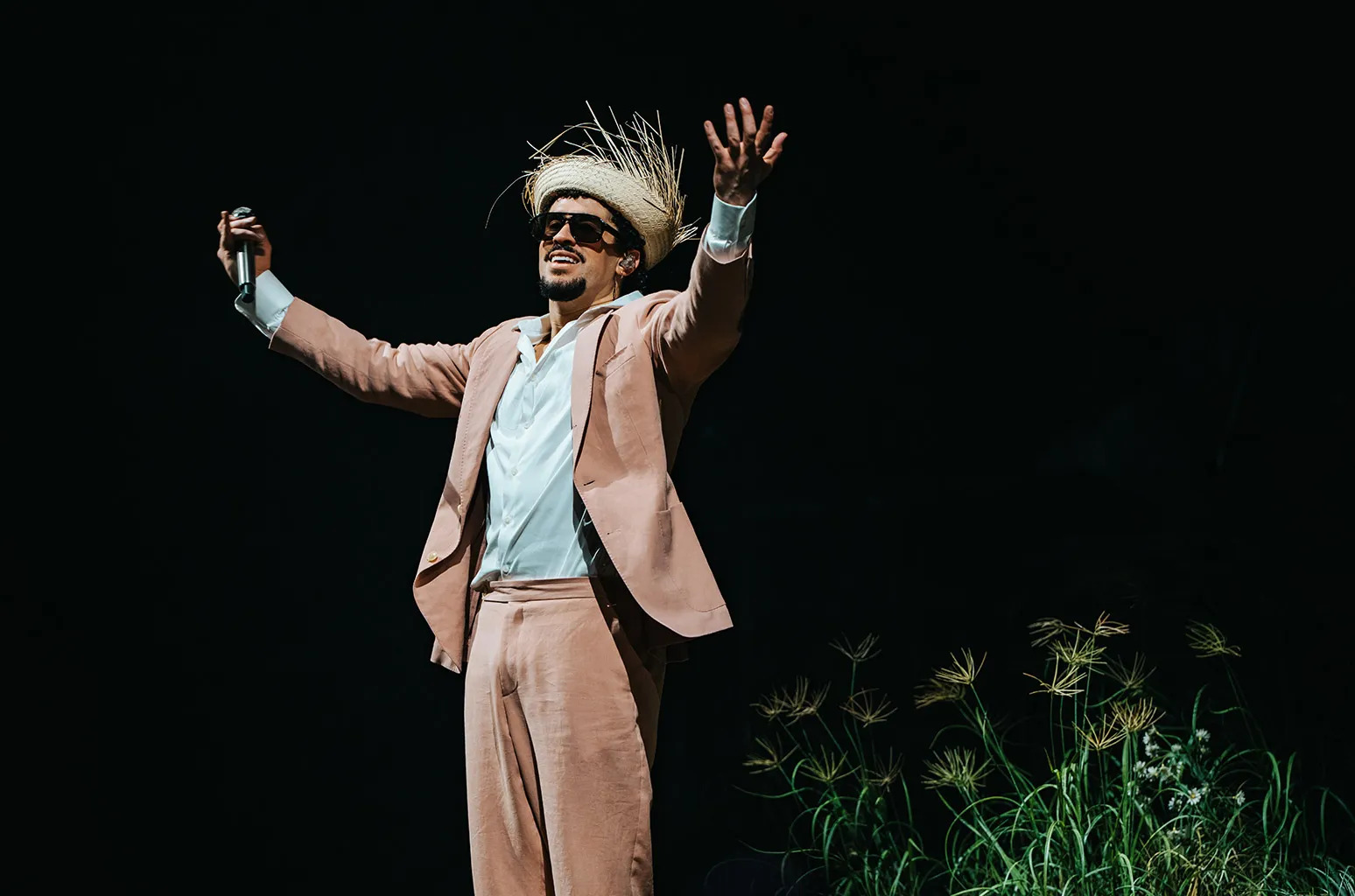
Photo Credit: Billboard
During Hispanic Heritage Month, Bad Bunny stands out not just as a musical force but as a living example of cultural pride, creative audacity and personal evolution. Born with the name Benito Antonio Martínez Ocasio in Vega Baja, Puerto Rico, Bad Bunny has become one of the most dominant figures in global music today. His art has constantly defeated language barriers and redefined what it means to be a Latino artist in the modern era.
From his early days uploading songs on SoundCloud to headlining sold-out stadiums worldwide, Bad Bunny has done more than top charts; he has shifted the culture surrounding Latino artists. In a video interview with Billboard, he said that in his early days, “I created all the production…” His dedication to his original sound shaped his artistic perspective, remaining deeply involved in all aspects of his music. But in 2025, Bad Bunny took his connection to Puerto Rico even further, where he launched his first-ever concert residency in San Juan titled No Me Quiero Ir de Aquí (I Don’t Want to Leave Here). He performed 31 shows, with the first nine reserved for island residents only.
According to NBC News, this residency delivered more than just performances-it gave Puerto Rico’s economy a major boost during a season that typically sees declines in tourism. Bad Bunny said in an interview with Billboard, “At the peak of my career and popularity, I want to show the world who I am, who Benito Antonio is, and who Puerto Rico is.”
But perhaps the most landmark moment in his career right now is his role as the headliner for the 2026 Super Bowl LX halftime show. The announcement, covered in Rolling Stone, frames the performance as historic. Bad Bunny will be the first solo artist to perform entirely in Spanish. After receiving backlash from the conservative voices of the nation, Bad Bunny responded with humor and defiance. During a Saturday Night Live monologue, he mocked the backlash saying, “If you didn’t understand what I just said, you have four months to learn it.”
In combining his musical roots, Puerto Rican advocacy, and now a Super Bowl stage, Bad Bunny continues redefining what cultural legacy can look like in a world where heritage, language, and politics collide.
Yma Sumac
Written by: Lucille Wacker
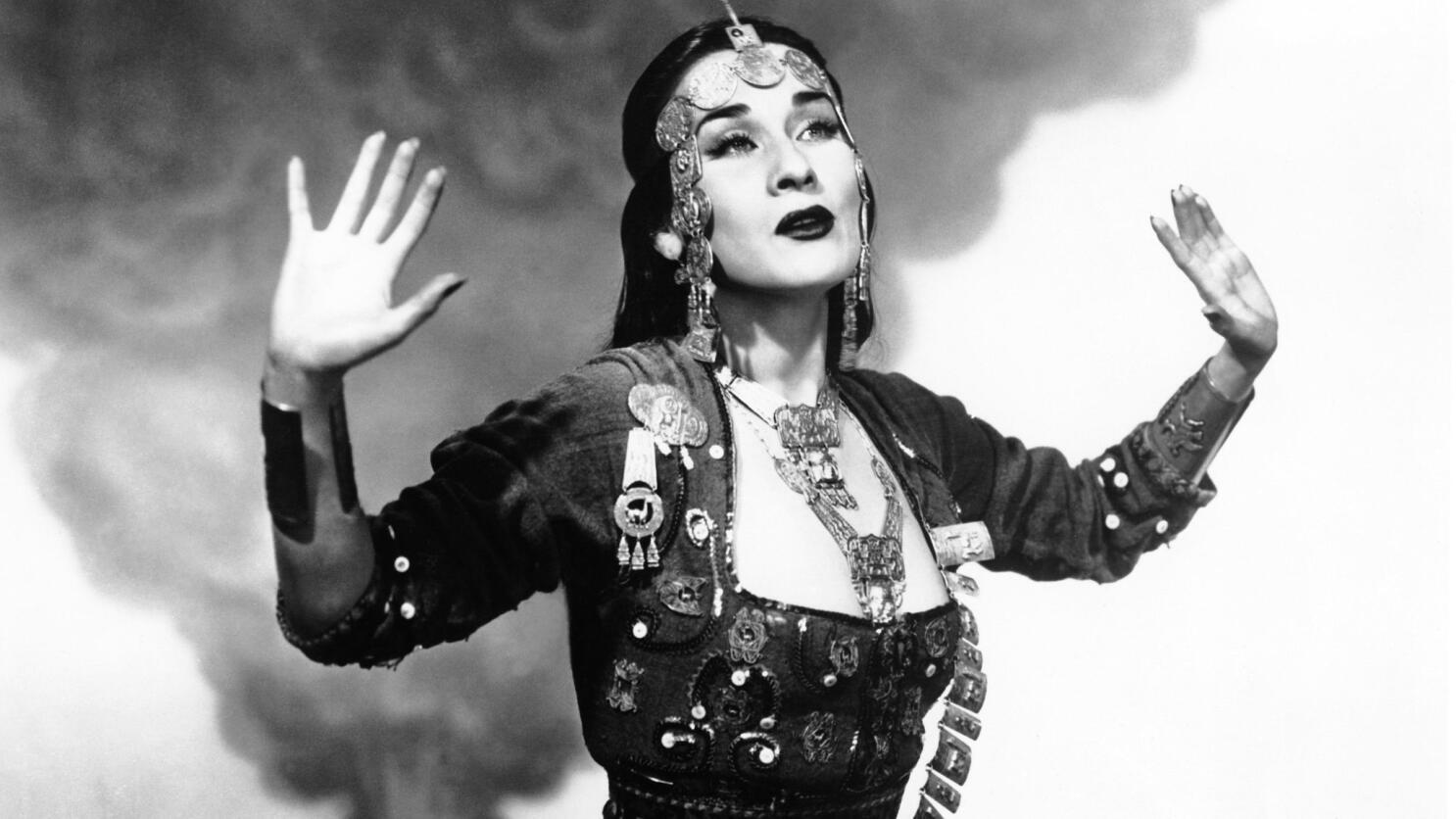
Photo Credit: Los Angeles Times
Yma Sumac, born as Zoila Augusta Emperatriz Chávarri del Castillo, was a Peruvian singer who brought the voice of the Andes to a global audience with her impressive vocal range that spanned over four octaves. The details of her beginnings are somewhat uncertain due to differences and discourse among different sources. The most common belief is that Sumac was born on Sept. 13, 1922, in Ichocán, Cajamarca, Peru. Her musical stylings were heavily influenced by traditional Peruvian music and folksongs, then fused with the popular sounds of 50’s era Hollywood jazz and blues. After being discovered by Les Baxter and moving to Hollywood to further her music career, Zoila Augusta Emperatriz Chávarri del Castillo took the stage name Yma Sumac, which means “how beautiful” in the Quechua language.
Sumac’s breakout album, Voice of the Xtabay (1950), was a global sensation, making her a pioneer of the popular “exotica” genre. Her alluring mixture of styles, sounds, and her unique vocal range was showcased and celebrated in this album. However, after she arrived in Los Angeles, her label, Capitol Records, created many legends and rumors about the songstress and marketed her to the world as an Incan Princess. Despite her concerns, Sumac played the part and dressed in extravagant costumes and jewels while claiming to have descended from the last Incan Emperor, Atahualpa. The royal persona worked, and Americans ate up the legends of Yma Sumac paired with her exotica style. Her false portrayal of an Incan princess was met with backlash, especially from Peruvians, for an inaccurate representation of their culture.
Throughout her career, she had many significant accomplishments and achievements in the world of music, film, television, and even as one of the first Latinas to perform on Broadway. Although some don’t agree with her choice to portray herself as an Incan princess, Sumac was able to bring Peruvian and Andean musical traditions to a worldwide audience.
Information gathered from:
Beehype
The FAME Magazine
Genius
Sailawway
Billboard
Rolling Stone
NBC News
Natalia Lafourcade
afterglow
FamilySearch
Time Magazine
Metal Magazine
Latina Magazine
IMDb
Ellis Island Foundation
Walk of Fame
Los Angeles Times