
Black History Month is a time to honor the profound cultural, political, and artistic contributions of African Americans whose creativity has shaped the sound of America. Artists such as Nina Simone, D'Angelo, The Isley Brothers, Steve Lacy, SZA, Donny Hathaway, and Daniel Caesar each represent distinct generations of Black artistry, innovation, and activism. From Simone's civil rights anthems to D'Angelo's neo-soul revolution, from the Isleys Brothers' genre-defining longevity to the boundary-pushing sounds of Lacy, SZA, and Caesar, these musicians continue a legacy rooted in resilience, storytelling, and cultural pride. To further celebrate their impact, take time to listen to a curated Spotify playlist highlighting essential tracks that represent the influence of Black musicians.
Nina Simone
Written by Lucille Wacker
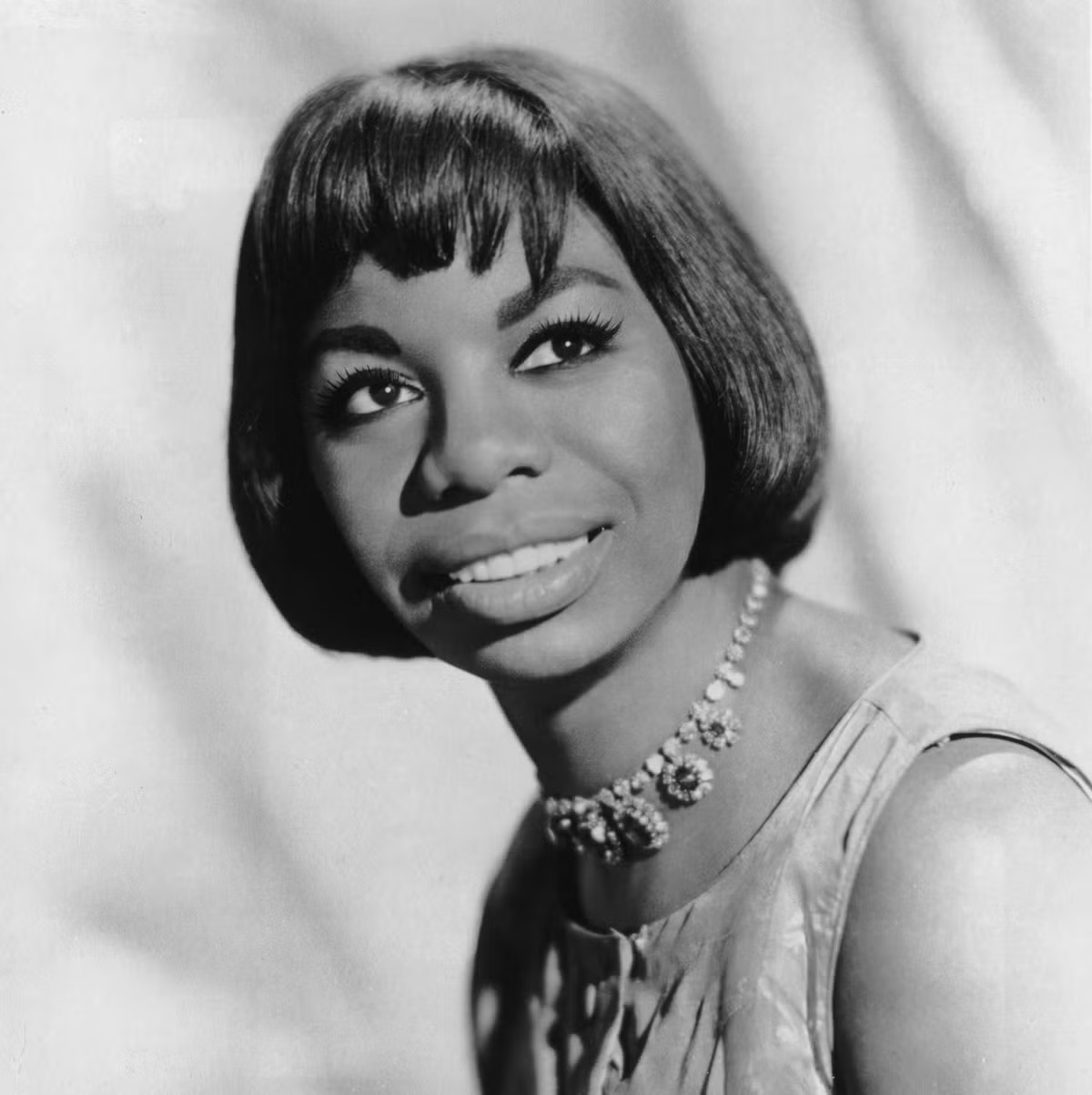
Photo credit: Nina Simone Biography
During the month of February, we commemorate African-American History, a time to reflect upon and honor the contributions from African Americans to the cultural fabric of the United States. African American musicians pioneered the sound of America through the creation and shaping of musical genres such as blues, jazz, rock and roll, rhythm, gospel, hip-hop, and soul. This Black History Month, I wanted to learn more about and spotlight my favorite singer of all time, the “High Priestess of Soul,” Nina Simone. Nina Simone, born Eunice Kathleen Waymon, was born in Tryon, North Carolina, on February 2, 1933. Simone was surrounded by music growing up, and she started her musical career on the keys. She was a very talented pianist and valedictorian of her high school class; her skills earned her a spot to study at Juilliard School in New York City. After one year in New York City, Simone was denied entry to the Curtis Institute of Music in Philadelphia. She felt that her race played a part in her rejection from Curtis, but she continued to share her music.
Nina Simone, the stage name, was born at the Midtown Bar and Grill in Atlantic City, New Jersey, where she sang and played the piano. Her time performing in Jersey and Philly got her discovered and signed to Bethlehem Records. Later in her career, Simone became an influential figure in the Civil Rights Movement. She released protest songs and performed in benefit concerts for civil rights groups. Simone never stopped speaking up for African Americans' rights and their freedom through her music and activism.
D'Angelo
Written by Samar Mohammad
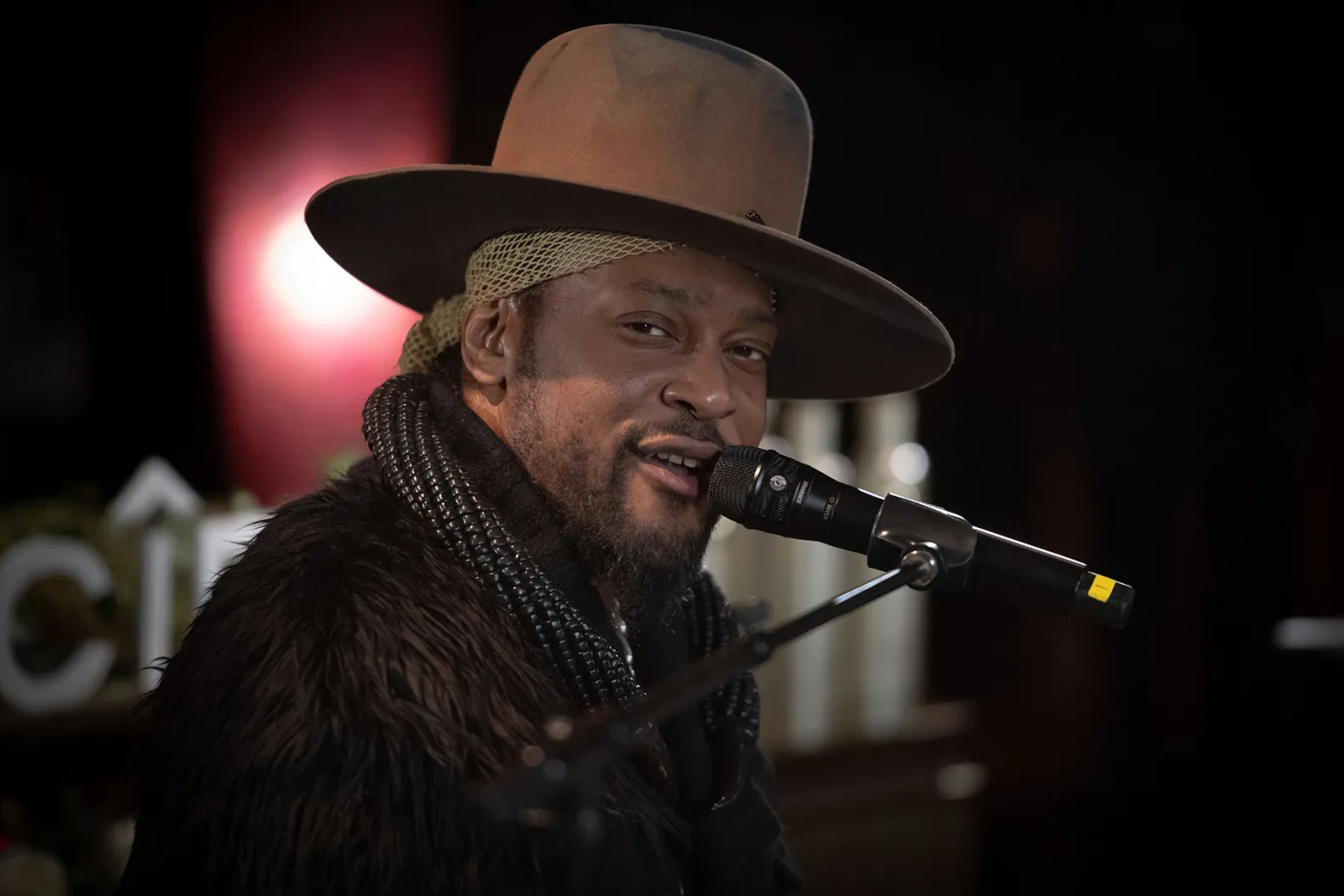
Photo credit: Rolling Stone
Singer, songwriter and producer D’Angelo, first entered the scene with his debut album Brown Sugar (1995), garnering widespread acclaim among music critics. His second album Voodoo(2000) was ingenious and solidified his status as a generational legend who pioneered the neo-soul movement. D’Angelo recorded the album alongside a group of musicians named the Soulquarians, consisting of The Roots drummer Questlove, rapper and producer J Dilla, trumpeter Roy Hargrove, and more. The album was birthed through many jam sessions informed by close studies of previous black music legends like Prince, James Brown, George Clinton, and Fela Kuti. By fusing elements of funk, hip hop, soul, and jazz combined with lyrical themes of intimacy, spirituality, and black masculinity, Voodoo (2000) became a defining classic for the R&B genre.
Throughout his career, D’Angelo struggled to grapple with the cost of fame and kept a largely private life following his success. A changing industry and his struggles with addiction kept him from releasing new music until 2014, when he dropped his third and final album, Black Messiah, landing him another Grammy for Best R&B Album. He sadly passed away from pancreatic cancer in 2025, leaving a hole in many people’s hearts and a legacy to remember.
The Isley Brothers
Written by Matthew Schmalz
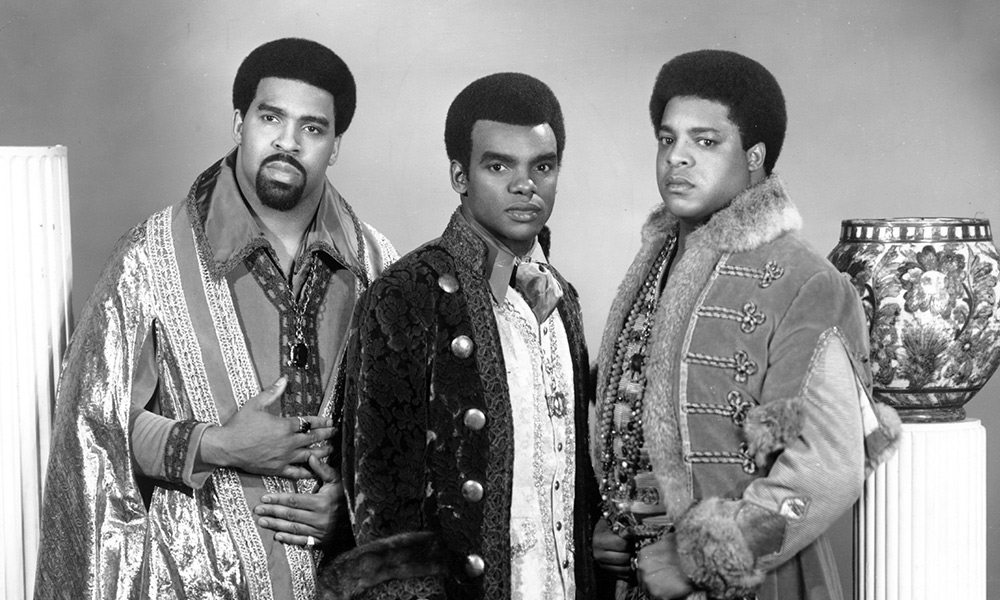
Photo credit: Classic Motown
Originating from Cincinnati, Ohio, The Isley Brothers have been an influential and long-lasting group in American music history. Started by brothers Ronald, O’Kelly Jr., Vernon, and Rudolph Isley, they began by singing gospel music together. After Vernon’s death in 1955, they moved to New York City to pursue a professional music career that went beyond gospel and more towards the R&B genre. They released a few songs with a variety of record producers during that time, releasing their track “Shout” under RCA Victor, which went on to chart #47 on the Billboard Hot 100, becoming their first song to do so.
Following the release of “Shout”, The Isley Brothers continued with the release of “Twist and Shout”, which went on to chart at #17 on the Billboard Hot 100, greatly increasing their recognition in the industry. Afterwards, in 1964, they formed their own record label, “T-Neck Records”, which was quite groundbreaking at the time, showing their awareness of the importance of being independent. During 1964, they held an audition for an up-and-coming guitarist by the name of Jimi Hendrix, who went on to become a part of their backing band for around 2 years before he famously went on to have a solo career of his own. During the rest of the 60s, they found themselves stagnant and unable to find their big break until 1969.
In 1969, The Isley Brothers released their song “It’s Your Thing”, which went on to win their first Grammy and chart at #2 on the Hot 100 and #1 on the R&B chart. During the 70’s they reached their pinnacle of artistry and success after the younger brothers Ernie and Marvin joined the group. This made The Isley Brothers a full band, and in turn, they leaned more into a funk and rock direction. In 1973, they released their first album to go platinum 3+3, which had a top 10 hit single in “That Lady” along with a cover of Seals & Crofts' “Summer Breeze,” which went on to be a major success in the UK. In 1974, they released Live It Up, which also went platinum. Following that, they released their biggest success which went double platinum, The Heat is On, which charted #1 on the Billboard Pop Albums chart, which made them only the third black group to score a number one album. Between 1976 and 1978, they released Harvest for the World, Go for Your Guns, and Showdown, all of which achieved platinum status, with Go for Your Guns going double platinum. In 1983, they released their final album with a six-member lineup, Between the Sheets, which also went platinum. Despite line-up changes and the evolving environment of the R&B genre, they continued releasing music and performing, still doing so until today. Their longevity set them apart from many of their contemporaries and solidified their reputation as a renowned group.
The Isley Brothers’ influence stretches across many genres, with them being sampled by artists such as The Notorious B.I.G., Kendrick Lamar, and Ice Cube, which introduced their sound to new and younger audiences many decades later. Their smooth vocals, guitar performances, and genre-bending production made them a constant force in the American music sphere. Over the course of their career, they achieved the record feat of charting over six consecutive decades. Along with that, they have been recognized for their legacy by receiving the Grammy Lifetime Achievement Award and being inducted into the Rock and Roll Hall of Fame, cementing their status as one of the most influential and enduring groups in American music history.
Steve Lacy
Written by Chloe Palmer
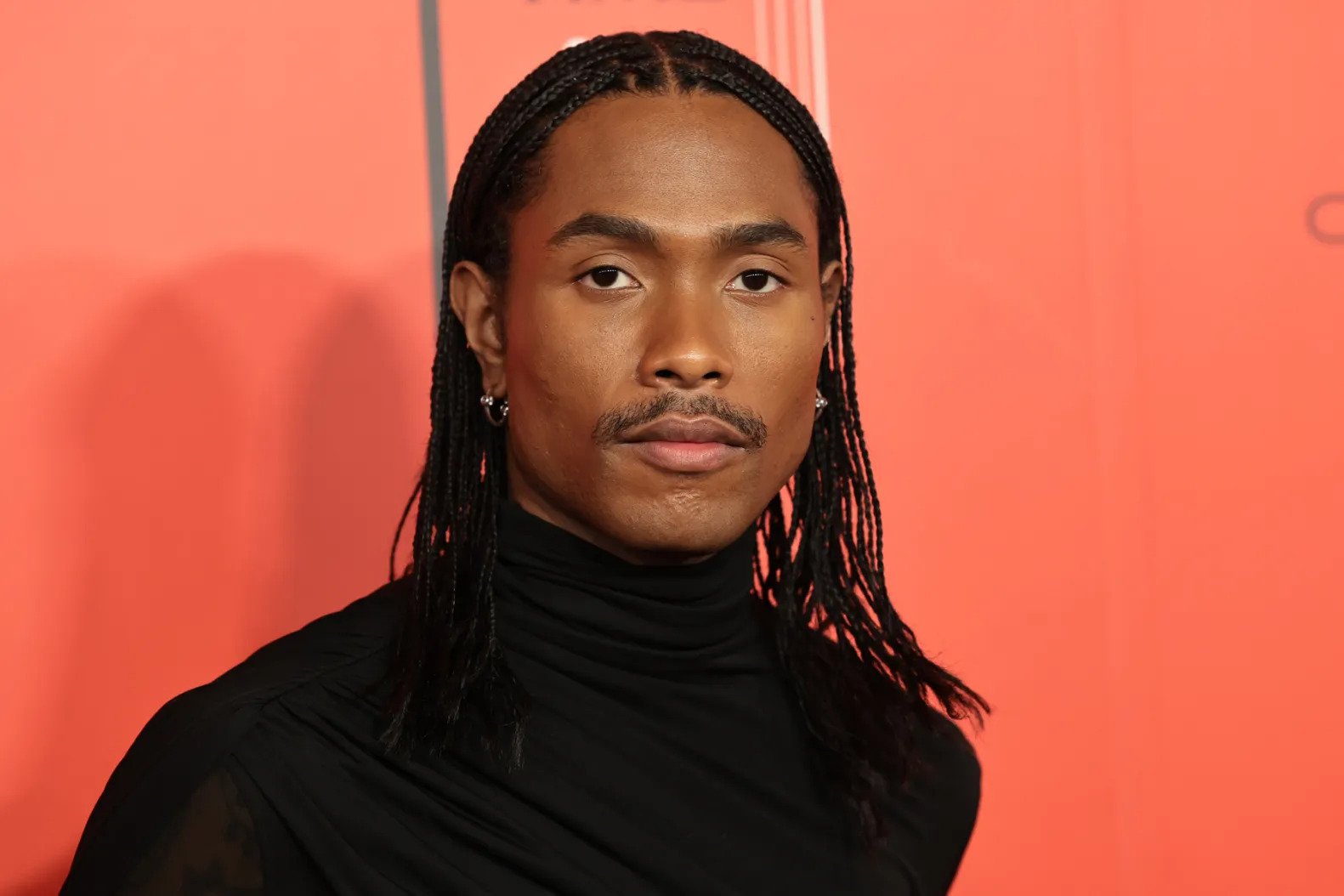
Photo credit: Rolling Stone
Steve Lacy is a well-known young artist who was nominated for his first Grammy while still in High School. He was born and raised in Compton, California. Lacy was encouraged by his mother to explore passions and interests, which led him to music. By the age of 15, he had joined the popular RnB band “Internet”. By 19, he was in Fantastic Man magazine. Despite being wildly successful from a young age, Lacy has remained rather calm and collected. Attending the Grammys and returning to class the next day. His biggest album to date, Gemini Rights, better represents him than all his prior work; he spent years developing these songs.
He’s known for his astounding guitar skills, which he credits to his childhood, when he played Guitar Hero endlessly. Growing up, going to church, Steve was enamored with the guitar player in the choir. In an interview with Guitar World, Lacey said, “I was obsessed with the instrument. I wanted to touch it. I wanted to be around it. I wanted to hear it.” Steve’s musicianship is on another level, with some claiming he is his own genre. Lacey never expected his career, saying, “I just wanted to play guitar. All of this is just tree branches of that. I’ve always just wanted to play guitar. That’s been my only thought, my only goal. To play.” His passion and creativity have carried him to immense success.
SZA
Written by Abby Rhomberg
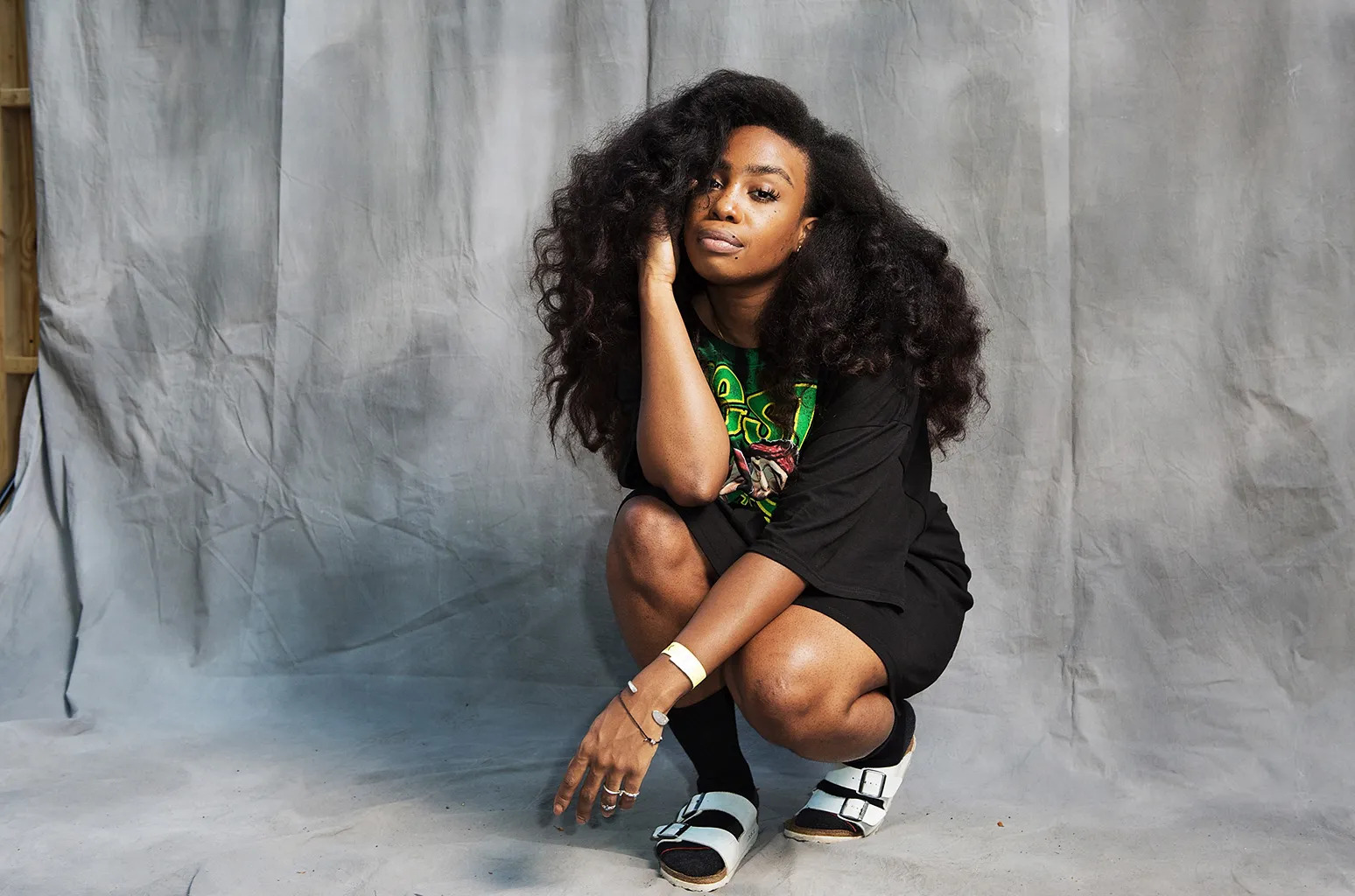
Photo credit: Billboard
Solána Imani Rowe, better known as SZA, has notably grown to be one of the most influential figures in music today. Emerging with a self-released EP in 2012 and rising to notoriety with her debut album Ctrl in 2017, SZA’s music has resonated loudly with millions of people, artists, and listeners alike. Bellah, Baby Rose, Dreamer Isioma, and Doechii have all expressed the inspiration they take from SZA’s work and how her musical depiction of artists navigating their early 20s in contemporary R&B helped them to shift the narrative of their own lives.
SZA, who is a multi-GRAMMY nominated and award-winning artist, has also been extremely present in activist issues such as environmental racism, redlining, PFAS in New Jersey water, high cortisol levels in Black women, and food deserts. Aside from directly working with activist organizations and causes, SZA also uses her music as a form of activism, especially through the individuals she chooses to involve in her work and the topics she chooses to write about.
Not just during Black History Month, but during the entirety of her career, SZA has been recognized for these activist efforts and her impact on Black artistry. In 2023, during “A Discussion on Race, Art, and Activism in America” with Princeton University’s Effron Center for the Study of America, SZA spoke about her parents’ roots in Pan-Africanism, her mother’s work as a dancer with Katherine Dunham, and her father’s time working with CNN and the Council on American-Islamic Relations. SZA pointed out, “My parents reminded me every day that I was Black and special and needed to be heard.” She also discussed the persistent achievement gap in American schools, how it impacts Black children, and how those “experiences shape us into who we believe we’re allowed to be.”
SZA’s music has a genre-bending sound primarily exploring alternative R&B and pop, while also incorporating elements of indie rock, folk, trap, and soul. Aside from awards, SZA’s career has been expansive and filled with accomplishments, most recently finishing the dual-headlined Grand National Tour with Kendrick Lamar. Throughout it all, SZA has remained true to her roots and explains one of the main purposes for her artistry by saying: “...I can show being a Black woman in a space that isn’t welcoming, and that isn’t really supportive past a certain state. It’s like, ‘we definitely wanna hear what you have to say, until it’s annoying or aggressive or abrasive or frightening.’ That is my act of activism, screaming anyway.”
Donny Hathaway
Written by James Harris
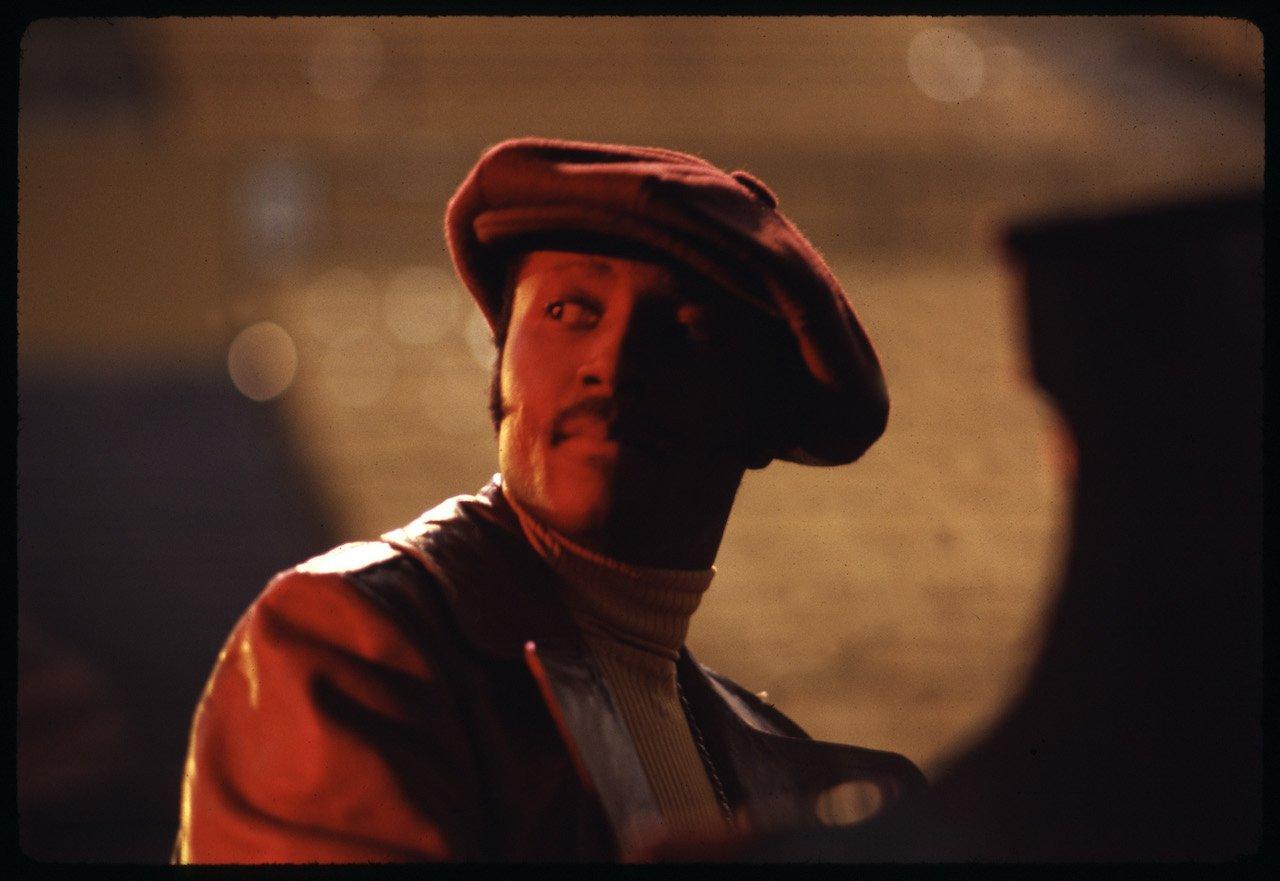
Photo credit: Grammy
During Black History Month, the life and legacy of Donny Hathaway stand as a powerful reminder of how music can embody both cultural pride and collective struggle. Born in Chicago in 1945 and raised in St Louis, Hathaway was immersed in gospel music from childhood, and was singing professionally by the time he was three years old. His extraordinary talent as a vocalist and pianist led him to earn a scholarship to attend Howard University. This led him to work as a producer, arranger, and songwriter for iconic artists long before his solo career took off.
By the time he signed with Atlantic Records in 1969, the civil rights movement had transformed American law, while the Black Power movement was reshaping cultural consciousness. Hathaway’s recordings reflected this shift. Songs such as The Ghetto and Tryin Times confronted economic hardship and urban inequality with unfiltered honesty. His interpretation of To Be Young, Gifted and Black affirmed dignity and self-worth during a pivotal period when black artists were asserting control over their stories and redefining cultural identity on their own terms.
At the same time, Hathaway’s artistry extended beyond protest. His collaborations with Roberta Flack, including Where Is the Love and The Closer I Get to You, revealed a depth and musical sophistication that expanded the mainstream perceptions of Black musicianship. His composition Someday We Will All Be Free became an enduring anthem of hope, resonating across generations as a powerful expression of strength and resolve.
Yet Hathaway’s life was marked by his own personal challenges. He struggled with severe mental illness, including paranoid schizophrenia, and died tragically in 1979 at the age of thirty-three. Despite his brief career, his influence remains unmistakable. Contemporary soul, rhythm, and even blues artists continue to draw from his emotional intensity and genre-blending innovations.
Black History Month invites reflection on figures whose contributions shaped the cultural and political landscape of the nation. Donny Hathaway’s music did not simply accompany a movement. It gave that movement sound, depth, and humanity, preserving in a melody the complexity of black life in a transformative era.
Daniel Caesar
Written by Lucy Prescott
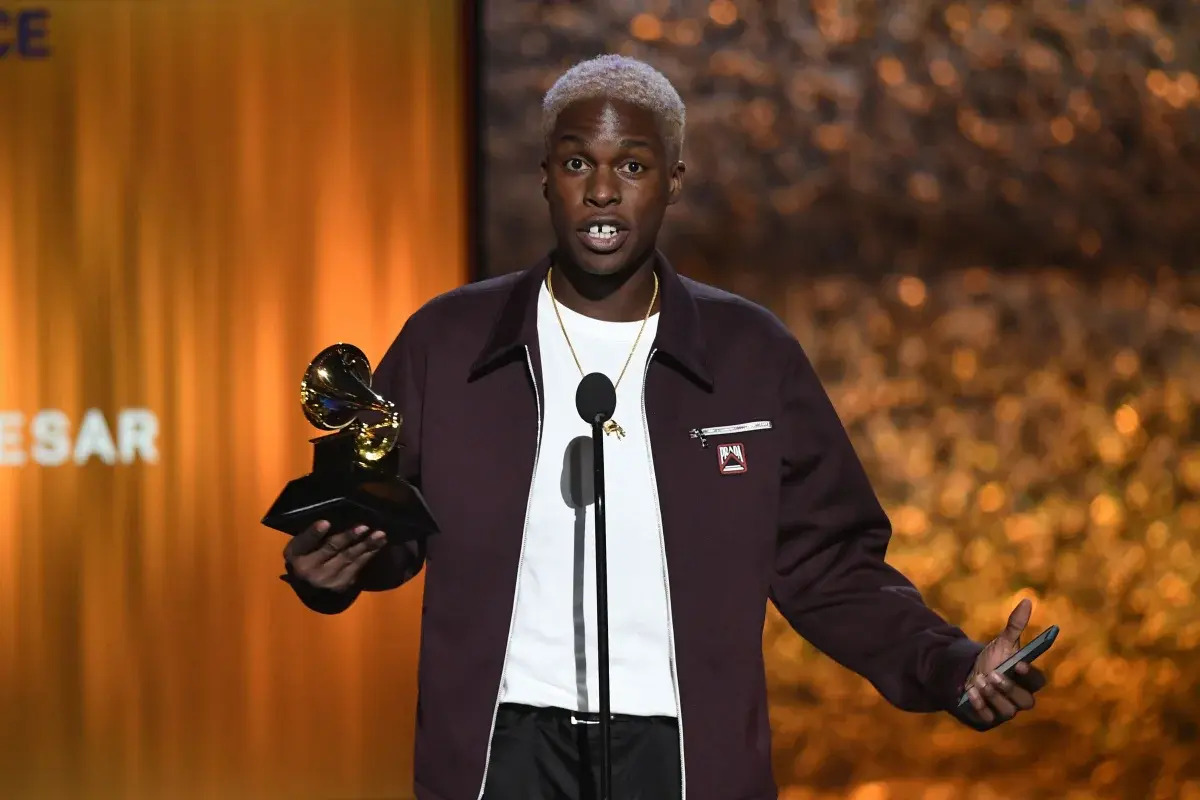
Photo credit: Canada Black Music Archive
Canadian singer-songwriter Daniel Caesar has become one of the defining voices in contemporary R&B, blending genres of soul, gospel, and alternative influences into an intimate and emotional sound. Born in Ontario, Caesar first gained traction through independently released EPs before his 2017 debut album, Freudian, established him as a breakout artist. The album earned multiple Grammy nominations and widespread critical acclaim, propelled by songs such as “Best Part,” a duet with H.E.R.. His music draws heavily from gospel traditions, parking spiritual undertones with candid reflections on love, heartbreak, and self-doubt.
Caesar’s work is widely regarded as part of a broader revival of stripped-down, emotionally driven R&B. His follow-up projects, including the 2023 album Never Enough, expanded his sonic palette while maintaining the vulnerability that defies his music. In an era dominated by heavily produced pop and hip-hop crossovers, his emphasis on live instrumentation and layered harmonies has helped re-center intimacy within mainstream R&B. Through Caesar’s introspective songwriting and genre-blurring production, he has influenced a new generation of artists and reinforced the genre’s roots in soul and gospel traditions.
Information gathered from:
National Women's History Museum | Nina Simone
Wikipedia: Voodoo (D'Angelo album)
YouTube Rolling Stone: Steve Lacy
Recording Academy: Daniel Caesar
Graphic Credit: James Harris